





Welcome to Week 2 of our Plastic Free July Journey! If you haven't already, be sure to check out our Week 1 guide on Reducing Plastic Waste in the Kitchen. Otherwise, let's dig right in to reducing plastic waste in the bathroom!
1. Try Shampoo & Conditioner Bars
Conventional shampoo and conditioner continually need replacing, and are therefore continually producing plastic bottles.
Shampoo bars and conditioner bars are the perfect zero waste alternative that come in compostable paper packaging and are full of natural, nourishing, and toxic-free ingredients. See the video below from local Perth makers St James Supply Co for a quick tutorial on how to use shampoo and conditioner bars!
If liquid shampoos and conditioners suit your hair better, most bulk stores now offer refills (find your local Perth refill store here). Next time you're at the bottom of your hair care bottles, simply give it a quick rinse and take it to the refill store.
2. Use Soap Bars or Liquid Soap Refills
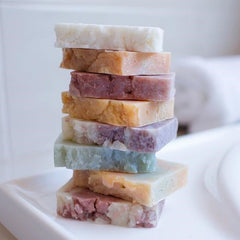
Instead of continually buying liquid hand soap for bathroom sinks, invest in a good quality soap holder and buy naturally packaged soap bars (that don't come wrapped in single-use plastic)
Or simply rinse out your liquid soap containers and refill them at bulk stores.
A great way to make the most of your soap bars is by using them in soap bags. Wash your hands through the hand-knotted hemp rope or upcycled towel bags and the texture increases the cleaning power of the soap.
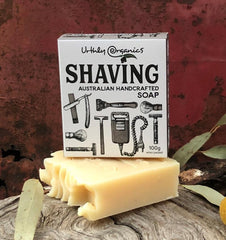
Once you're on othe bar soap train, you'll find soap bars for all sorts of purposes: face cleansers, stain removers, gardener's soaps, tradie soap, shaving soap, and even dog/pet wash soap - all in plastic-free bar form.
3. Clean with Natural & Compostable Products
Citric acid, sodium percarbonate, vinegar and bicarb soda are all natural cleaning heroes. Bring your own container to store and stock up. They handle the toughest bathroom grime but are non-toxic for you and the local waterways.
Read our guide 5 Natural Cleaning Ingredients for a Healthier Home for more info.
One solution we love for the toilet is these toilet bombs by Urthly Organics. Simply pop one in the bowl, leave for an hour or over night, then scrub clean. Alternatively, citric acid on its own does wonders.
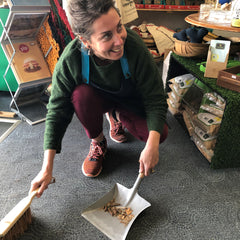
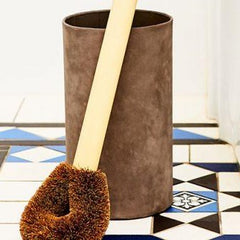
Look for cleaning cloths and brushes that are made from natural fibres like coconut, bamboo or hemp. That way you can compost or bury them at the end of their usable life.
4. Make Your Own Beauty and Body Products
Making your own products like face scrubs, body scrubs, bath bombs, moisturisers, toothpaste, and deodorants eliminate those hard single-use plastic containers and means you can just keep reusing the same container or jar. Even better if you get these ingredients from bulk stores without single-use plastic packaging.
The quick video tutorial below shows you how to make your own deodorant with just three ingredients:
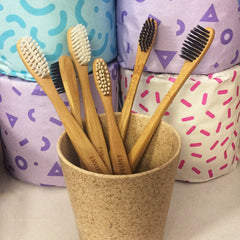
5. Use a Bamboo Toothbrush
Not only are plastic toothbrushes made from fossil fuels and a very common item found to be polluting oceans and killing marine animals, but they are also very difficult to recycle. Electric toothbrushes are especially harmful at the end of their life if the battery has not been disposed of properly as it may leak acid and toxic chemicals.
Bamboo toothbrushes are a cheap and easy alternative. They last as long as a plastic toothbrush but are almost entirely biodegradable. At the end of their life, simply remove the plastic bristles with pliers (they come out very easily after months of use) and place them inside something in your landfill bin so that they don't blow away. Pop the bamboo handle in the compost, or simply bury it. This brings your usual whole toothbrush waste down to just the bristles. Not perfect, but a huge improvement.
Repurpose your old plastic toothbrushes as cleaning tools and get more use out of them.
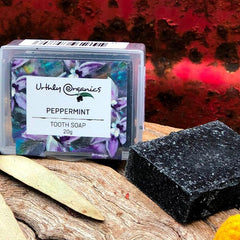
Next step: try some toothpaste alternatives. Tooth soap, tooth powder and toothpaste refills are all good options. Also try silk or cotton dental floss (with refills).
Also read: 5 Zero-Waste Toothpaste Alternatives to Try
Thank you and good luck!
Further reading:


Leave a comment (all fields required)